Immigration Enforcement Update
September 8, 2025
Nearly 500 workers detained in a major immigration raid at Hyundai battery plant site in rural Georgia

The Supreme Court restricted the ability of lower courts to block federal policies nationwide, a decision tied to challenges over an executive order on birthright citizenship, while leaving the underlying citizenship question unresolved.
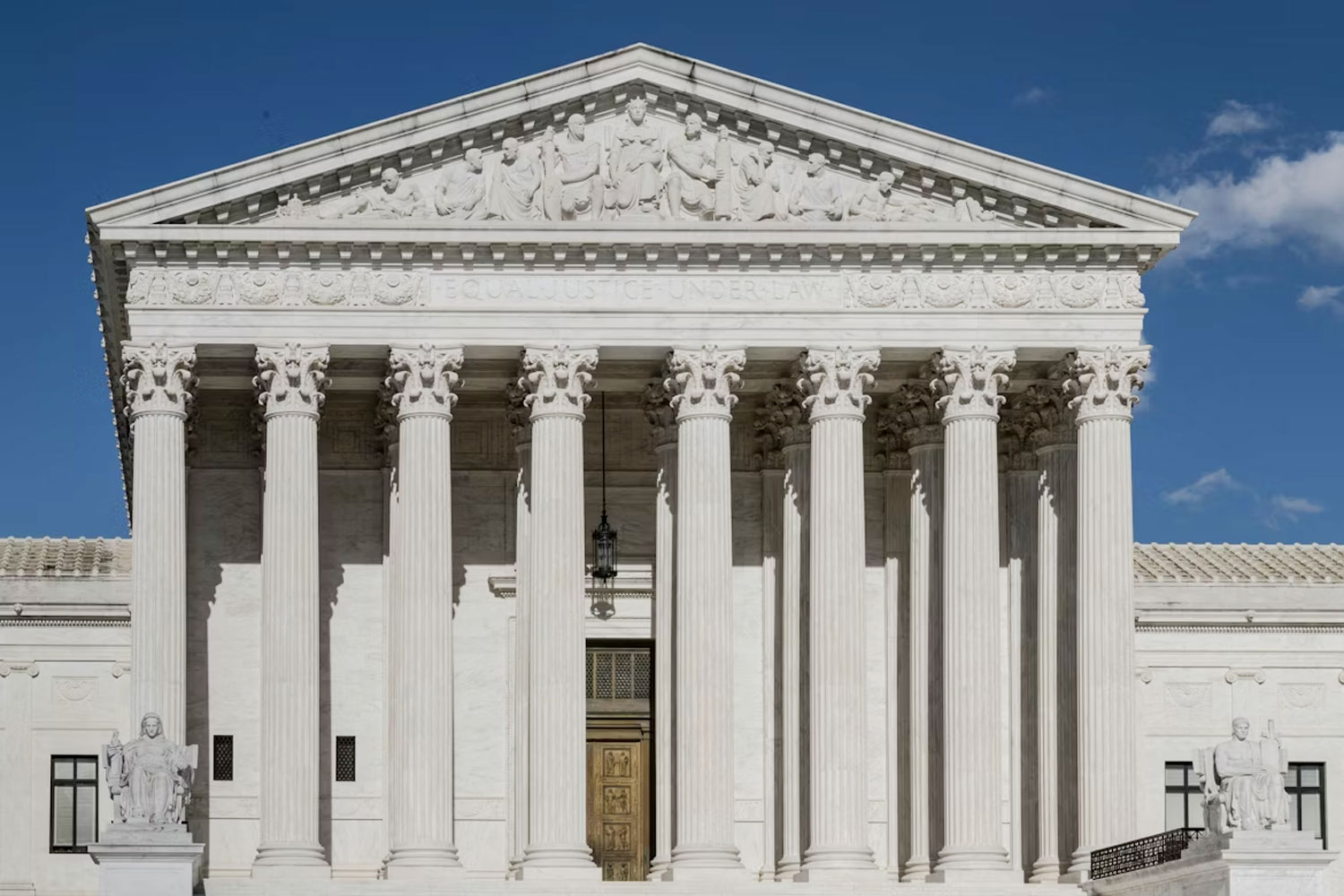
The U.S. Supreme Court issued a major ruling that limits when federal judges can issue universal injunctions, meaning court orders that block a federal policy for everyone nationwide, not just the people who sued. The case came from challenges to a Trump executive order aimed at changing how the federal government applies birthright citizenship rules, and several lower courts had entered broad injunctions blocking the policy across the country.
The Supreme Court decision focused on the remedy, not the constitutionality of the executive order itself. In other words, the Court did not decide whether the birthright citizenship policy is lawful. Instead, it addressed whether lower courts have the equitable authority to stop a policy nationwide at the early stage of a case. The ruling narrows that tool and signals that future challenges may need to rely more on plaintiff specific relief or broader class based approaches rather than a single nationwide order from one judge.
"The Court said it was not deciding whether the executive order violates the Citizenship Clause or federal law."
Key facts:

Why it matters?
This matters because nationwide injunctions have been one of the fastest ways to pause major immigration policies across the entire country while courts sort out legality. When that tool gets restricted, policies can affect more people before a final ruling arrives, especially people who are not part of the lawsuit. It also changes strategy for immigrants, advocates, and states, because the path to broad protection may depend more on the scope of the plaintiffs and the type of case brought, not just the strength of the arguments.
If you are following this because it could affect a child’s citizenship status, the practical step is to track verified updates from the courts and reputable outlets and avoid panic based on headlines alone. This decision is about how far a judge’s order can reach, not a final ruling that changes citizenship law overnight. If you think your family could be impacted, a qualified immigration attorney can explain what the ruling means for your specific situation and whether any court protection applies to you.
Disclaimer: This is general information, not legal advice. Every immigration situation is different. Talk to a qualified immigration attorney about your case.
Lawpilot Guardian gives you a free way to stay informed, prepared, and connected, with optional upgrade features that provide deeper legal support and added protection during critical moments.
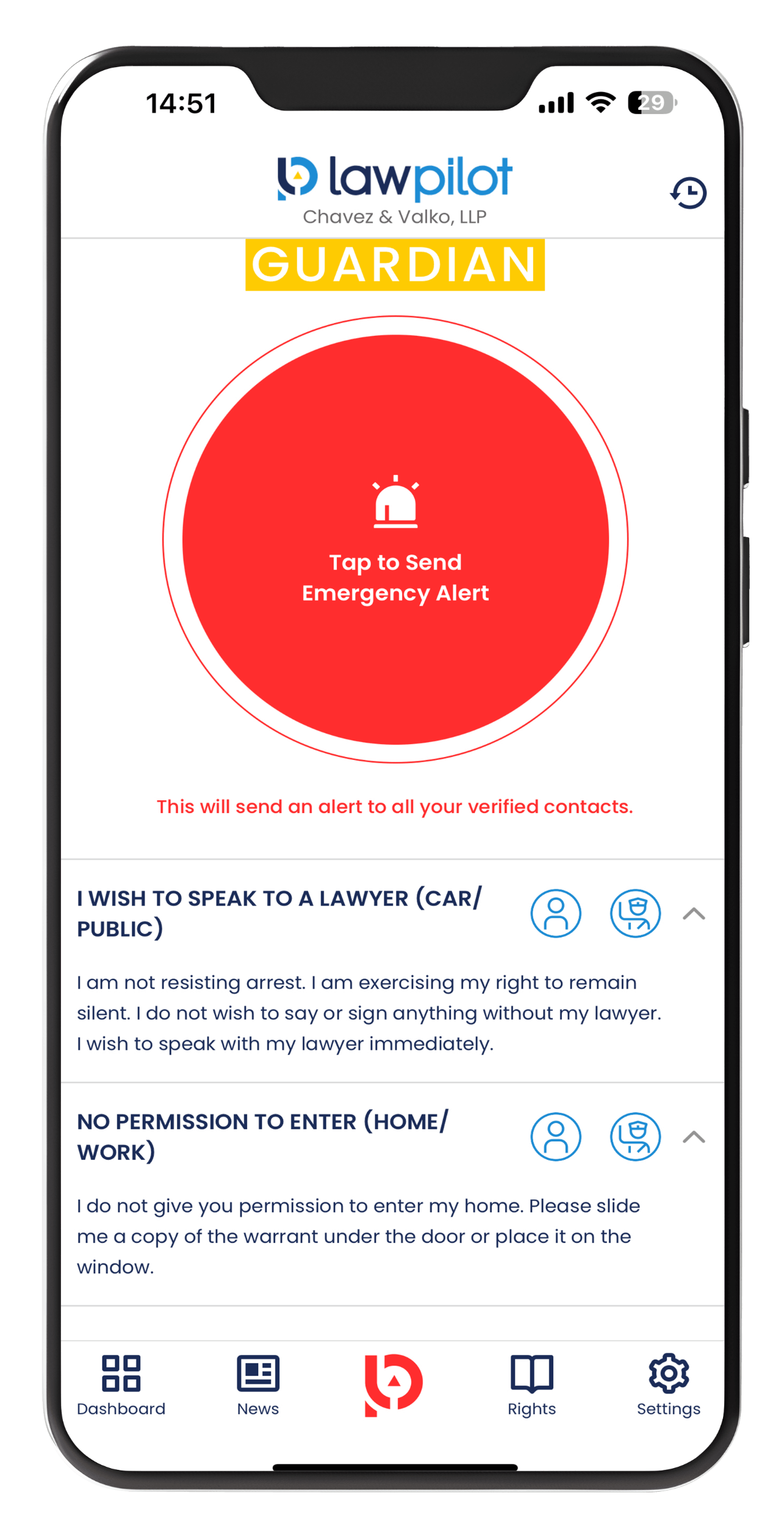
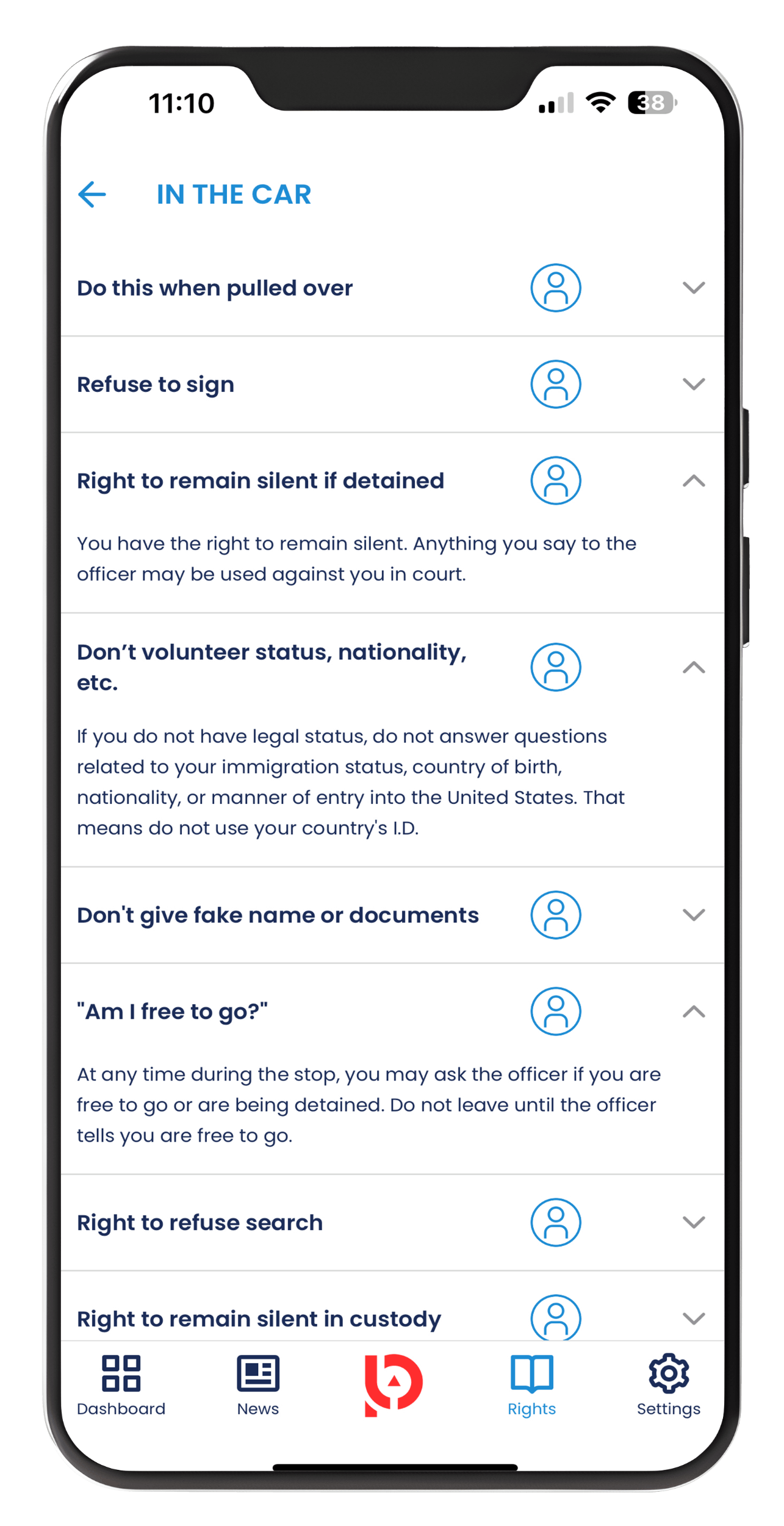

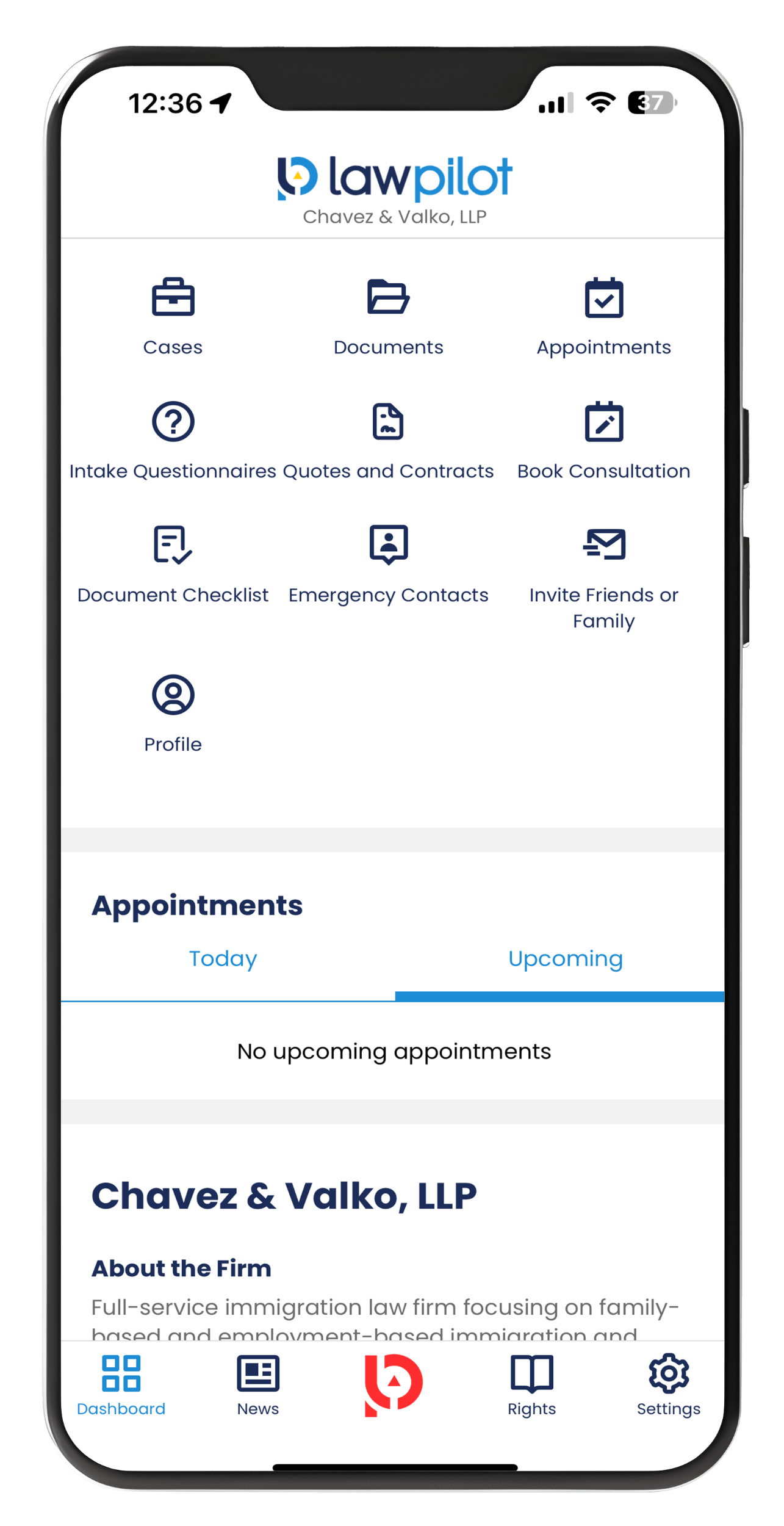
Lawpilot Guardian is free to download and includes essential emergency guidance. Optional paid plans unlock additional legal protection, attorney response, and advanced support for those who want extra peace of mind.