Immigration Policy Update
September 18, 2025
USCIS rolls out the first step in a multi step overhaul of the U.S. citizenship civics test

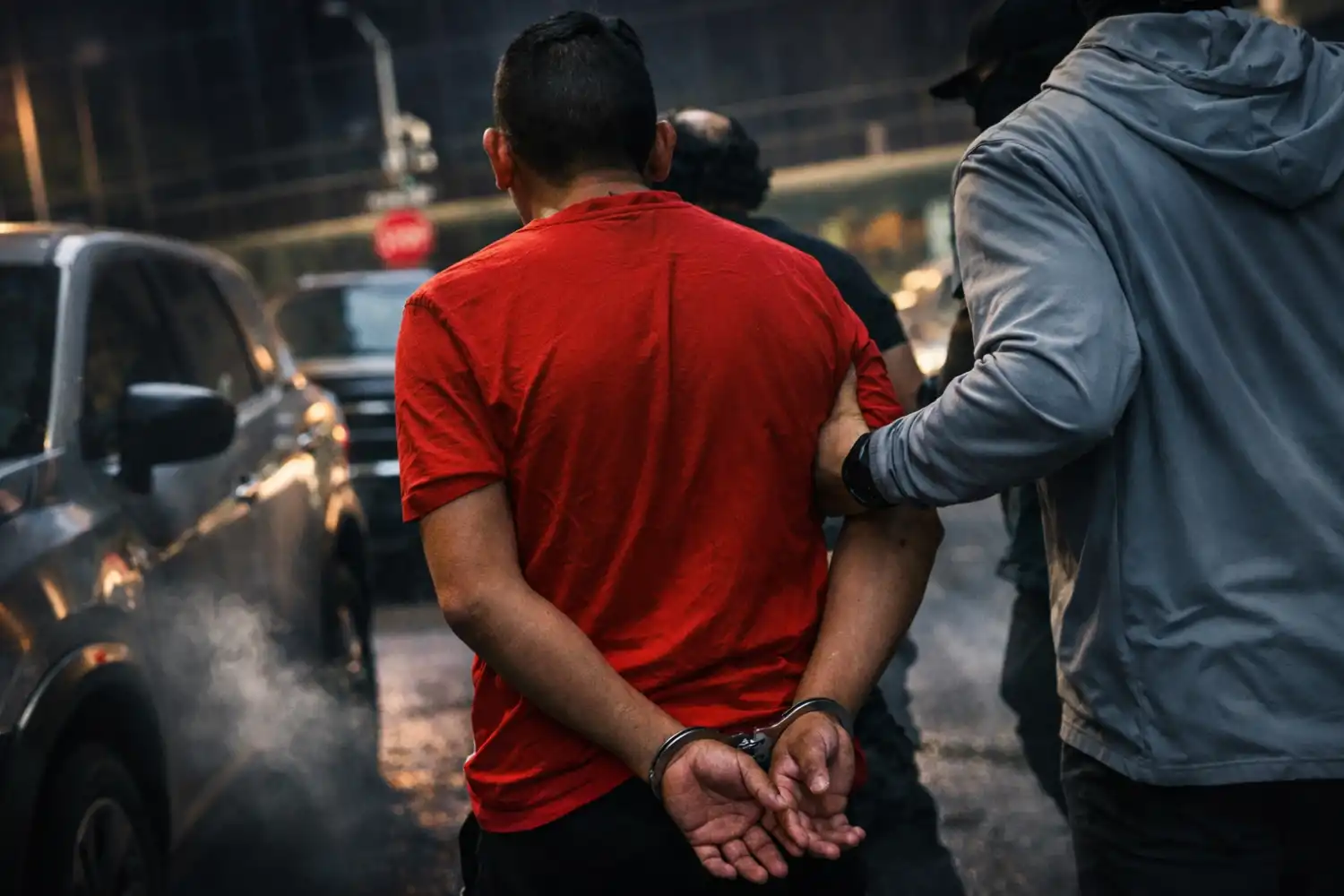
Federal agents detained 475 construction workers at a battery plant site tied to Hyundai and LG, and the surrounding community is showing a quieter kind of shock that is still hitting businesses and families hard.

In Ellabell, Georgia, a quiet unincorporated town known more for rivers, golf, and small local businesses than national headlines, a major immigration raid changed the tone overnight. Federal, state, and local officers descended on the construction site connected to Hyundai’s large electric vehicle and battery project and detained 475 workers. Officials said many of those detained were Korean nationals, with others from different countries, and that the alleged issues ranged from unlawful entry to visa overstays to people using visa waiver travel status that does not allow employment.
Workers described the raid as chaotic and frightening, with armed agents ordering workers to line up, demanding personal information, and separating people who were allowed to leave from those who were taken away on buses to a detention facility more than 100 miles away. Reports included workers hiding in unusual places to avoid being detained and others trying to flee across difficult terrain. After the raid, construction activity at the site stopped.
What makes this story feel different from past raids is how the community absorbs it. The workforce around the project is described as temporary and rotating, with many workers living in short term housing and leaving family abroad. So instead of immediate visible gaps in schools and churches, the impact shows up in quieter places, like local stores built around serving the new workforce. A grocery owner who stocked heavily for Korean customers described an abrupt drop in foot traffic and income right after the raid. At the same time, some local residents avoided talking openly, reflecting how enforcement actions can chill public conversation even when everyone knows something big happened.
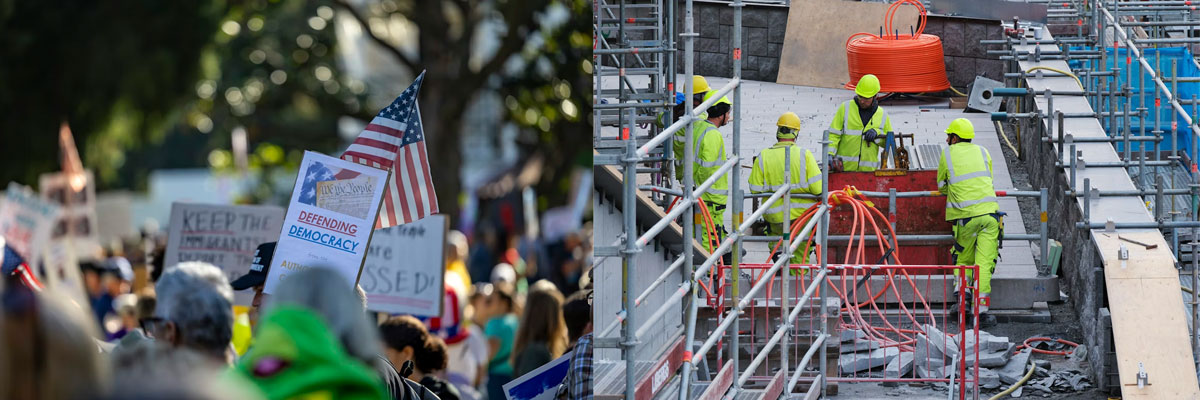
Local leaders and advocates also raised concerns about fairness, process, and communication. Family members struggled to find out where detainees had been taken and how to contact them. South Korea’s government publicly reacted, confirming hundreds of its citizens were among those detained and pushing for their rights and proper handling. A protest also formed outside the megasite, with demonstrators calling the raid government overreach and demanding detainees be treated fairly and allowed access to due process.
"We just want to make sure they are legally handled right and to make sure they are respected."
Key facts:
This matters because it shows how large enforcement actions can ripple far beyond the people detained. A single operation can freeze a major construction site, disrupt a regional economic project, and create fear that spreads through nearby communities. It also highlights a real world problem families face during raids: confusion about where people are taken, how to contact them, and what legal options exist. Even in places where the workforce is temporary and the community response looks quiet, the consequences can still be intense for businesses, advocates, and families trying to navigate the system in real time.
What people can do right now?
If you have a loved one detained or you are worried about enforcement activity, focus on practical steps that reduce chaos. Keep copies of IDs, immigration documents, and any contact information for employers or contractors in one place. If someone is detained, write down the full legal name, date of birth, country of citizenship, and any A number if available, then contact a qualified immigration attorney as soon as possible. If you witness an enforcement action, stay calm and do not interfere physically, but you can document what you observe from a safe distance if it is lawful where you are and if it does not escalate the situation. If families are struggling to locate someone, an attorney can help navigate the correct channels and avoid misinformation.
Disclaimer: This is general information, not legal advice. Every immigration case is different. Talk to a qualified immigration attorney about your situation.
Lawpilot Guardian gives you a free way to stay informed, prepared, and connected, with optional upgrade features that provide deeper legal support and added protection during critical moments.
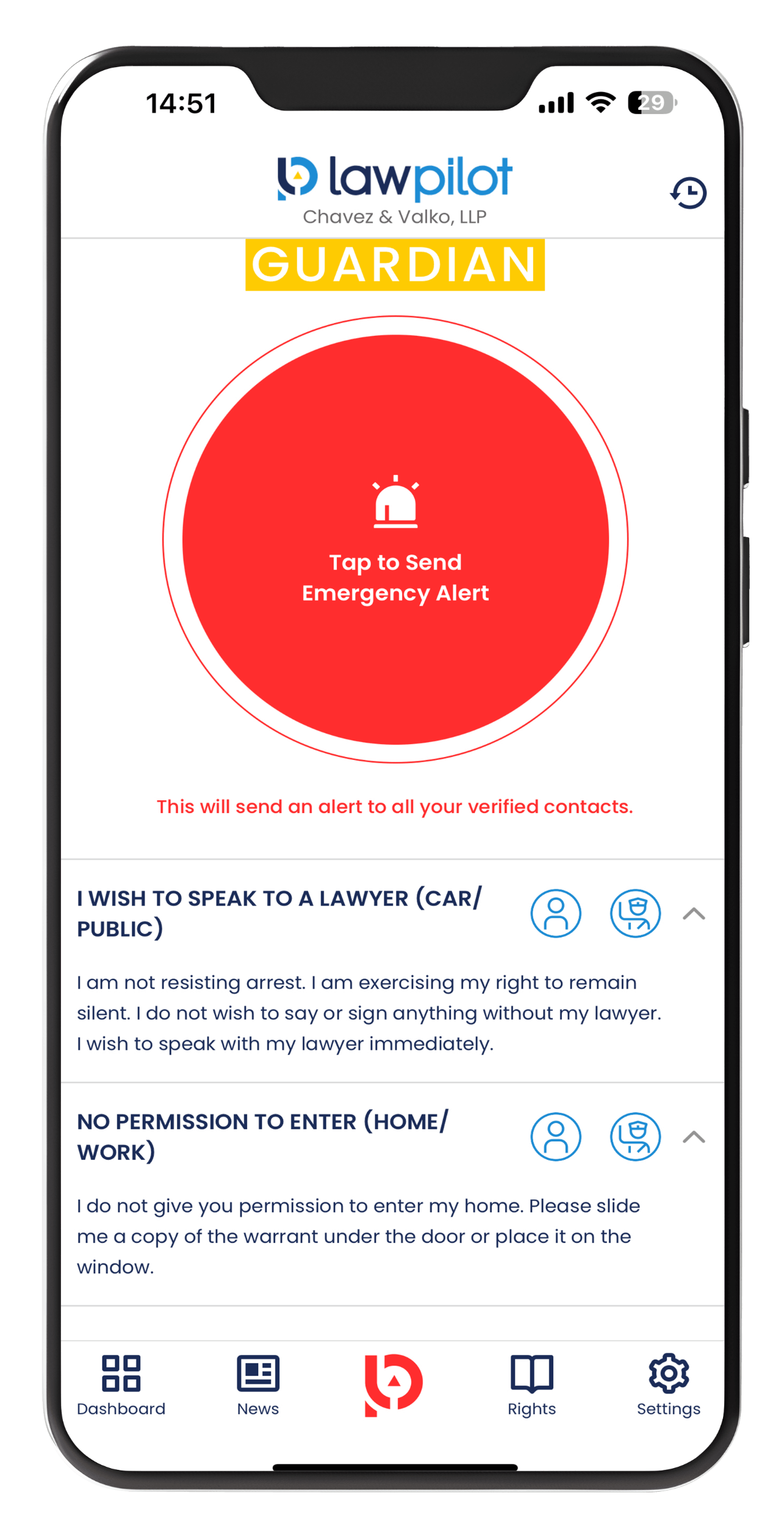
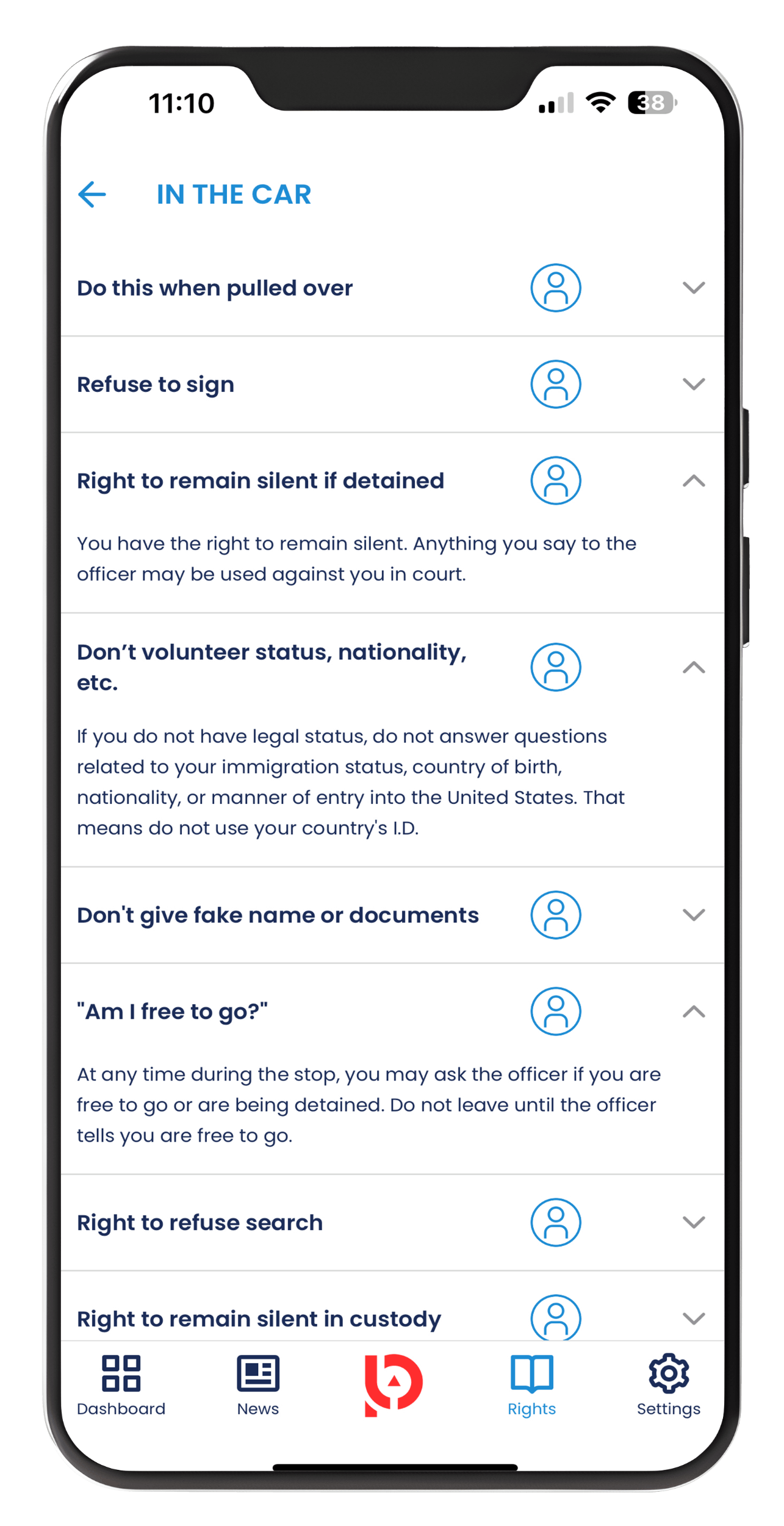

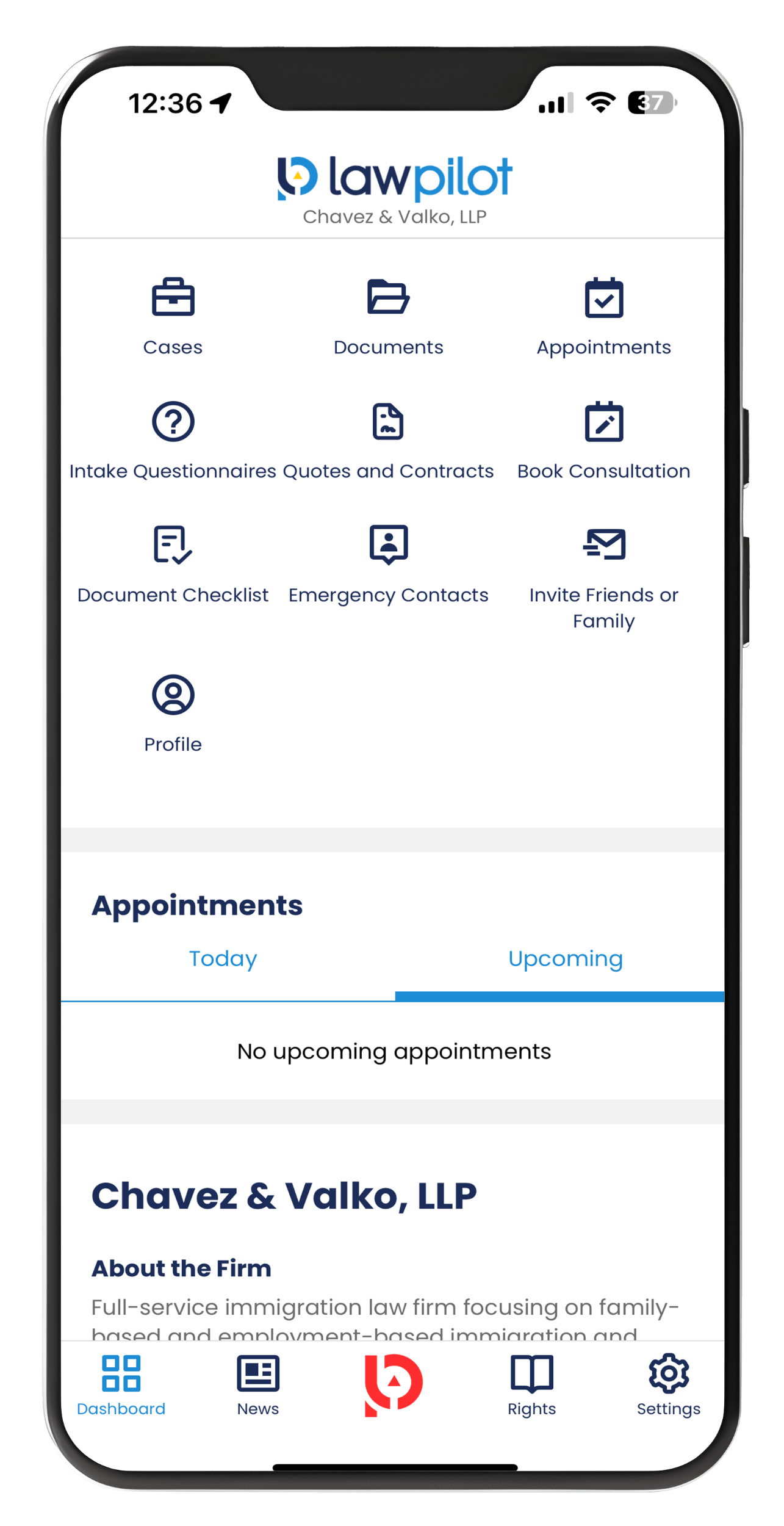
Lawpilot Guardian is free to download and includes essential emergency guidance. Optional paid plans unlock additional legal protection, attorney response, and advanced support for those who want extra peace of mind.