Immigration Enforcement Update
January 17, 2026
Judge Limits Federal Agents’ Actions Toward Peaceful Protesters During Minneapolis Immigration Operation

DHS announced a process called Keeping Families Together that would allow certain undocumented spouses of U.S. citizens (and some stepchildren) to request parole in place, helping them pursue a green card without leaving the U.S. but the policy later faced court blocks and was ultimately struck down.

DHS announced a new process designed to reduce long, painful family separations for certain “mixed-status” families, where one spouse is a U.S. citizen and the other spouse is undocumented. The process was called Keeping Families Together, and it was built around something immigration law already recognizes: parole in place (PIP). In simple terms, parole in place can treat a person as “paroled” without them leaving the country, which can remove a major barrier for people trying to apply for a green card through a U.S. citizen spouse.
Under DHS’s implementation notice, the goal was to consider requests case-by-case for certain noncitizen spouses (and qualifying stepchildren) who were already living in the U.S. without admission or parole, and to do it in a way that promotes family stability, reduces strain on resources, and supports public safety and national security priorities through vetting.
Important reality check: while DHS implemented the process and began using Form I-131F in August 2024, the program quickly became tied up in lawsuits. A federal judge eventually struck it down, and USCIS later announced that new I-131F filings would stop and pending cases would not be adjudicated (as of their update).
“Granting parole in place… achieves the public benefit of promoting the unity and stability of families.”
Key Facts:

This was aimed at families where the person is married to a U.S. citizen, the person is living in the U.S. without being admitted or paroled, and the person could potentially benefit from parole in place to pursue the next step toward permanent residency. Normally, many spouses of U.S. citizens can’t “finish” the process inside the U.S. if they entered without inspection. They may be pushed toward consular processing outside the country, which can trigger long bars and long separations. DHS framed this process as a way to avoid breaking up families while still applying vetting and discretion.
What Can People Do Right Now?
Because the policy got blocked/ended, the safest thing is do not rely on rumors or viral posts. Talk to a qualified immigration attorney about the best pathway that exists today (for example: I-130, I-601A waivers, consular processing strategy, or other relief depending on the facts). Gather your basics (these are useful for many immigration paths) marriage proof (and timeline), proof of physical presence (leases, bills, tax records), any prior immigration paperwork, and criminal record check (if any history exists, get legal advice before filing anything)
DHS created Keeping Families Together to help certain U.S. citizen families avoid separation by allowing parole-in-place requests through Form I-131F but the process became tied up in litigation, was struck down, and USCIS later indicated it would stop taking/processing those cases. If your family thought you might qualify, the next best step is to speak with an immigration attorney about the safest option available right now.
Disclaimer: This article is general information, not legal advice. Every immigration case is different. Talk to a qualified immigration attorney about your situation.
Lawpilot Guardian gives you a free way to stay informed, prepared, and connected, with optional upgrade features that provide deeper legal support and added protection during critical moments.
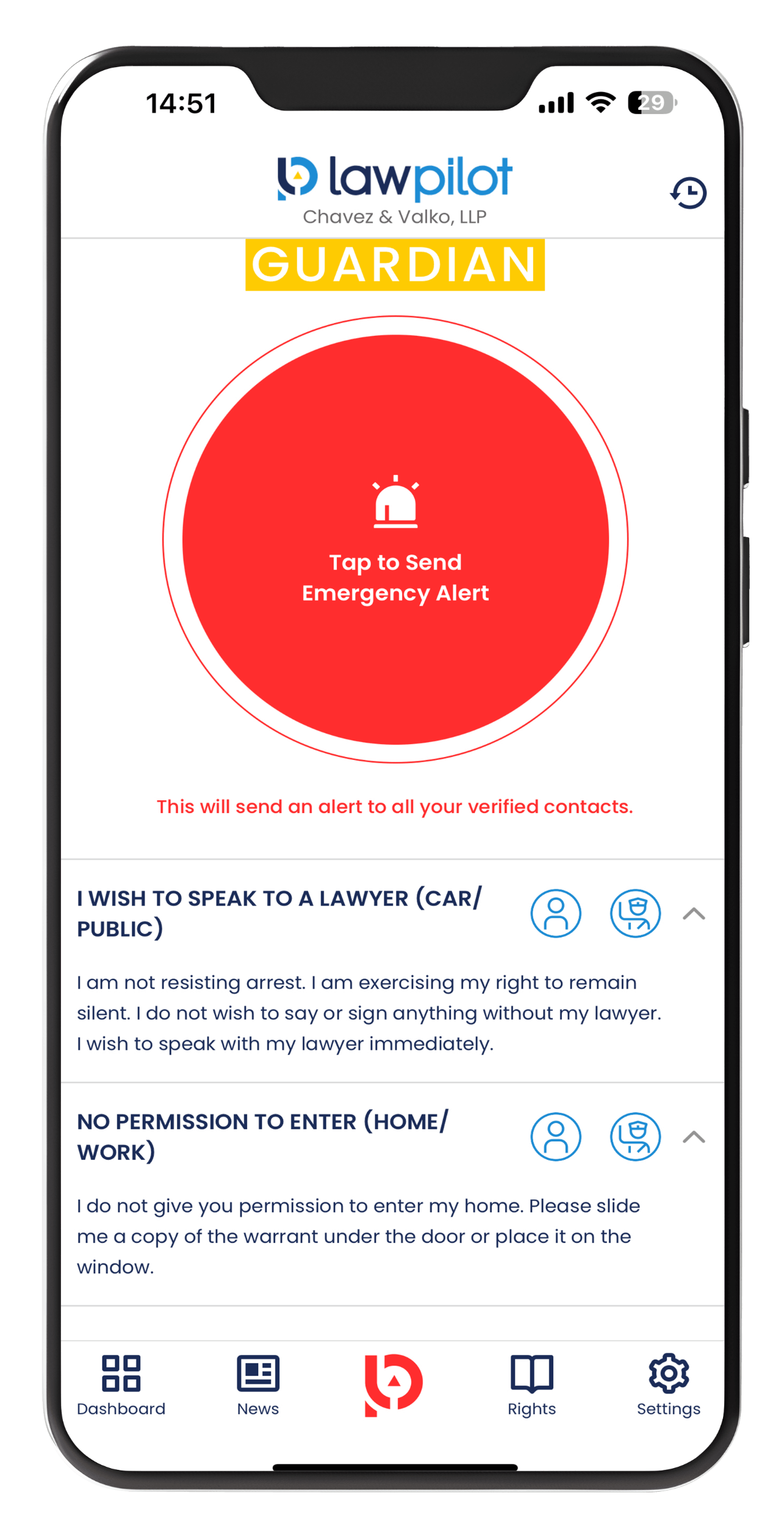
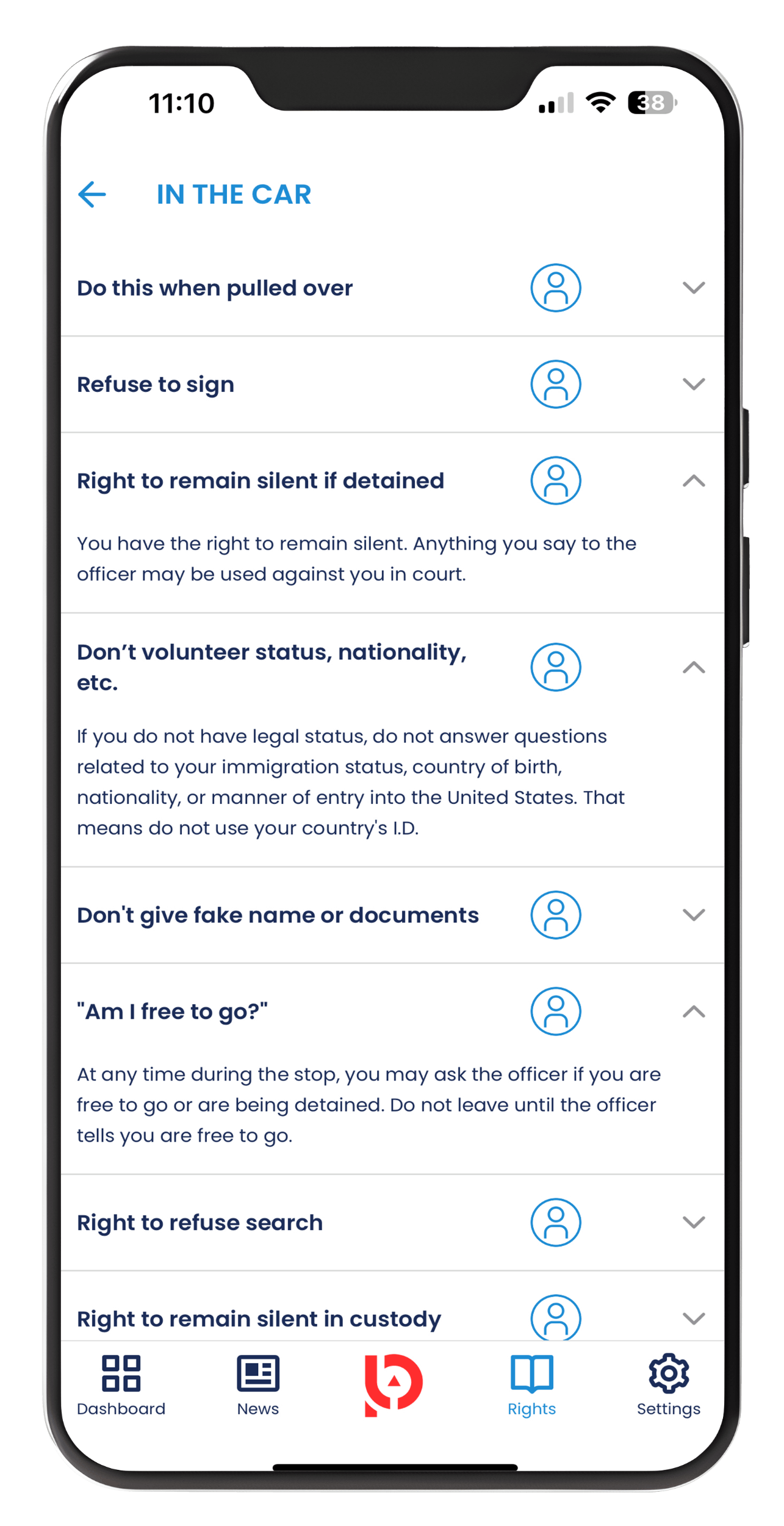

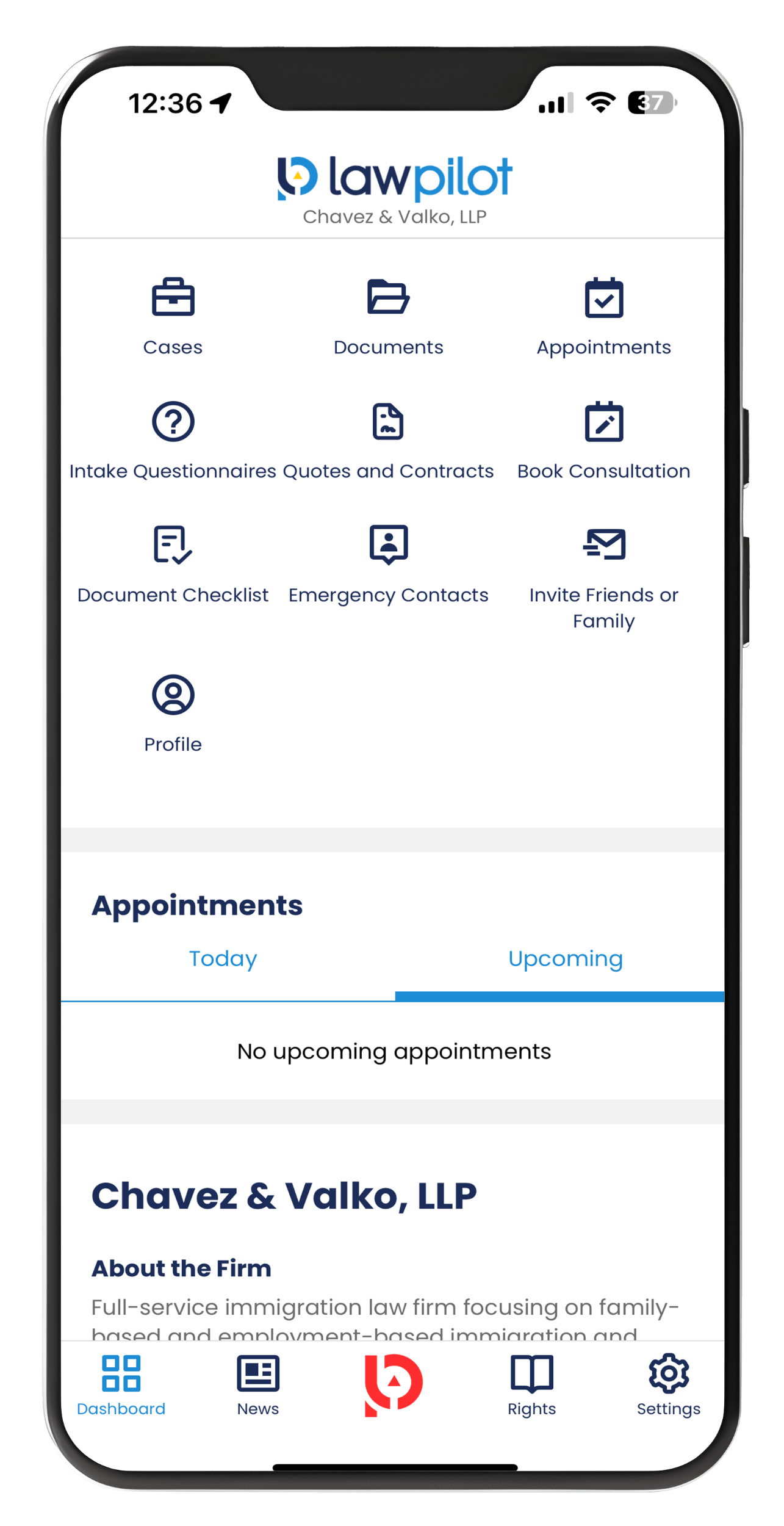
Lawpilot Guardian is free to download and includes essential emergency guidance. Optional paid plans unlock additional legal protection, attorney response, and advanced support for those who want extra peace of mind.