Immigration Enforcement Update
September 8, 2025
Hyundai site raid detains 475 workers

La Corte Suprema restringió la capacidad de los tribunales inferiores para bloquear las políticas federales en todo el país, una decisión vinculada a las impugnaciones relacionadas con una orden ejecutiva sobre la ciudadanía por nacimiento, al tiempo que dejó sin resolver la cuestión subyacente de la ciudadanía.
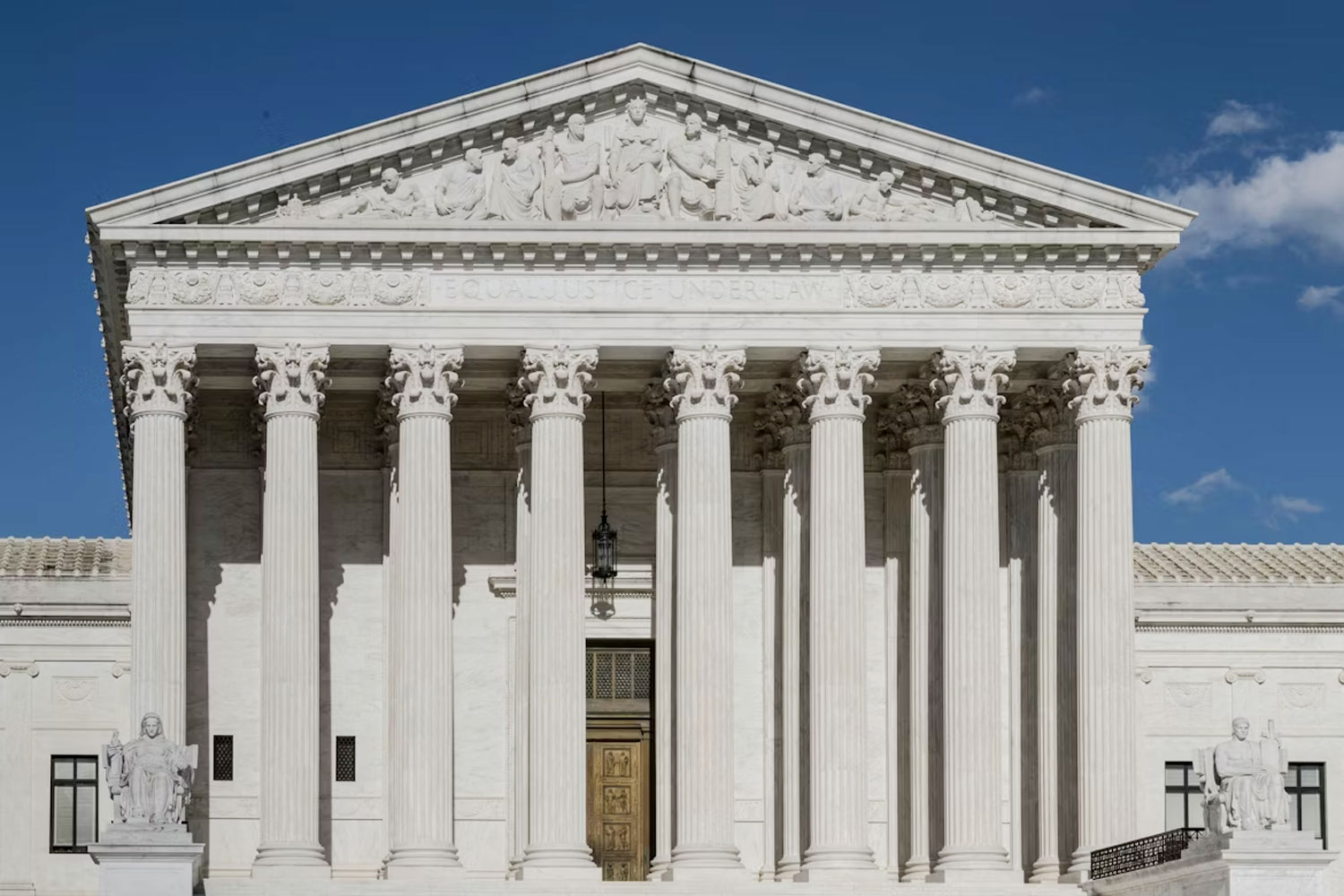
La Corte Suprema de los Estados Unidos emitió una importante sentencia que limita el momento en que los jueces federales pueden emitir medidas cautelares universales, es decir, órdenes judiciales que bloquean una política federal para todos en todo el país, no solo para las personas que demandaron. El caso surgió tras impugnar una orden ejecutiva de Trump destinada a cambiar la forma en que el gobierno federal aplica las normas de ciudadanía por nacimiento, y varios tribunales de primera instancia habían dictado amplias medidas cautelares que bloqueaban la política en todo el país.
La decisión de la Corte Suprema se centró en el recurso, no en la constitucionalidad de la orden ejecutiva en sí misma. En otras palabras, el Tribunal no decidió si la política de ciudadanía por nacimiento es legal. En cambio, abordó si los tribunales inferiores tienen la autoridad equitativa para detener una política en todo el país en la etapa inicial de un caso. La sentencia restringe esa herramienta y señala que las impugnaciones futuras tal vez deban basarse más en medidas específicas para el demandante o en enfoques más amplios basados en la demanda colectiva, en lugar de en una sola orden nacional dictada por un juez.
«El Tribunal dijo que no estaba decidiendo si la orden ejecutiva viola la Cláusula de Ciudadanía o la ley federal».
Datos clave:

¿Por qué importa?
Esto es importante porque las medidas cautelares nacionales han sido una de las formas más rápidas de detener las principales políticas de inmigración en todo el país mientras los tribunales resuelven la legalidad. Cuando esa herramienta se restringe, las políticas pueden afectar a más personas antes de que se dicte una sentencia definitiva, especialmente a las personas que no forman parte de la demanda. También cambia la estrategia para los inmigrantes, los defensores y los estados, porque el camino hacia una protección amplia puede depender más del alcance de los demandantes y del tipo de caso presentado, no solo de la solidez de los argumentos.
Si está siguiendo esto porque podría afectar el estado de ciudadanía de un niño, el paso práctico es rastrear las actualizaciones verificadas de los tribunales y medios acreditados y evitar el pánico basándose únicamente en los titulares. Esta decisión tiene que ver con el alcance que puede alcanzar la orden de un juez, no con una sentencia definitiva que cambie la ley de ciudadanía de la noche a la mañana. Si cree que su familia podría verse afectada, un abogado de inmigración calificado puede explicarle qué significa la sentencia para su situación específica y si se le aplica alguna protección judicial.
Descargo de responsabilidad: Se trata de información general, no de asesoramiento legal. Cada situación de inmigración es diferente. Hable con un abogado de inmigración calificado sobre su caso.
Lawpilot Guardian le ofrece una forma gratuita de mantenerse informado, preparado y conectado, con funciones de actualización opcionales que brindan un apoyo legal más profundo y protección adicional en los momentos críticos.

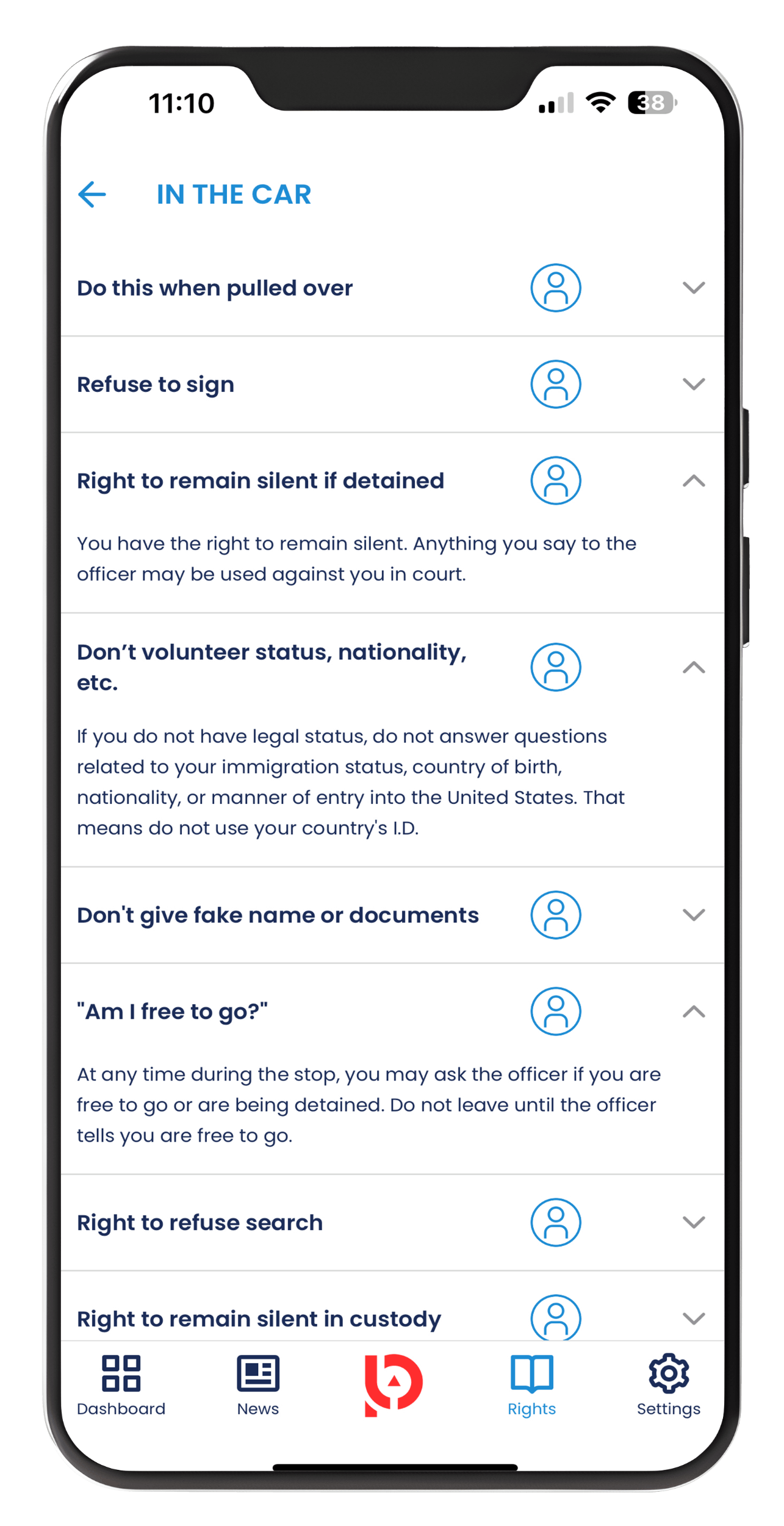


Lawpilot Guardian se puede descargar gratis e incluye una guía de emergencia esencial. Los planes de pago opcionales ofrecen protección legal adicional, respuestas de abogados y asistencia avanzada para quienes desean una mayor tranquilidad.