Immigration Policy Update
June 17, 2024
DHS Announces New Process to Keep Certain U.S. Citizen Families Together

A federal judge ruled the government’s move to terminate Temporary Protected Status (TPS) for roughly 60,000 people from Honduras, Nepal, and Nicaragua was unlawful, restoring work authorization and deportation protections, at least for now.

A federal judge in California issued a major ruling affecting tens of thousands of immigrants who have lived and worked in the U.S. for years under Temporary Protected Status (TPS). The judge voided the federal government’s decision to end TPS for immigrants from Honduras, Nepal, and Nicaragua, calling the termination effort unlawful and criticizing it as a decision that was not based on the type of objective country-conditions review that TPS law requires.
This matters because TPS is not just a label—it’s what allows people to work legally and remain protected from deportation while their home countries are considered unsafe due to crisis conditions. According to the report, DHS Secretary Kristi Noem had announced the TPS terminations in June and July, arguing those countries had recovered from the disasters that originally justified TPS.
The ruling also lands in the middle of a complicated legal timeline. The same judge had previously delayed the terminations, but an appeals court later paused that earlier order—allowing the government to move forward at the time. Now, the judge has issued a summary judgment finding the terminations were unlawful, which should restore protections for TPS holders from these countries.
“The decision was preordained and pretextual.” “The court’s decision today restores TPS protections…”
Key Facts:

Why it matters?
This ruling matters because TPS is the difference between stability and uncertainty for families who’ve lived in the U.S. for years—often decades. When TPS ends, people can lose the ability to work legally and become vulnerable to detention and deportation. The judge’s decision blocks that outcome for TPS holders from Honduras, Nepal, and Nicaragua (for now), reinforcing that TPS terminations must follow the legal process and be based on a proper review of conditions in the affected countries—not a rushed or predetermined outcome.
If you or a family member has TPS from Honduras, Nepal, or Nicaragua, the best move right now is to stay calm and stick to verified information—not viral clips or rumors. Keep an eye on official updates and trusted legal guidance because TPS decisions can change quickly through court appeals. It’s also smart to speak with a qualified immigration attorney about your specific case, since TPS sometimes connects to other options depending on your history. In the meantime, keep your documents organized (TPS notices, your work permit/EAD, renewal records, and IDs) so you’re ready if you need to prove status or respond to any request. And if an employer has questions about work authorization because of this ruling, don’t guess—get legal guidance on the safest way to handle it.
Disclaimer: This is general information, not legal advice. Every immigration case is different. Talk to a qualified immigration attorney about your situation.
Lawpilot Guardian gives you a free way to stay informed, prepared, and connected, with optional upgrade features that provide deeper legal support and added protection during critical moments.
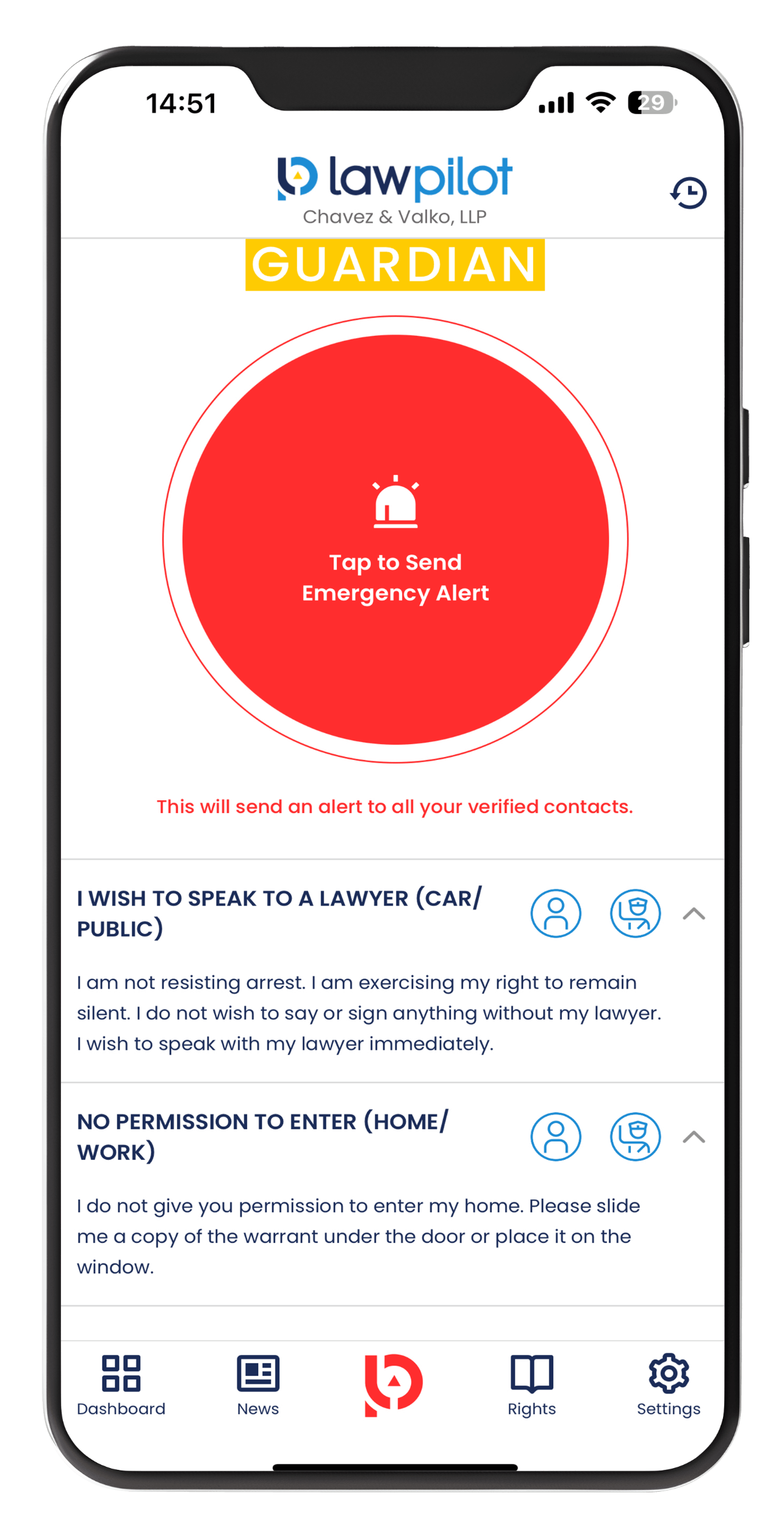
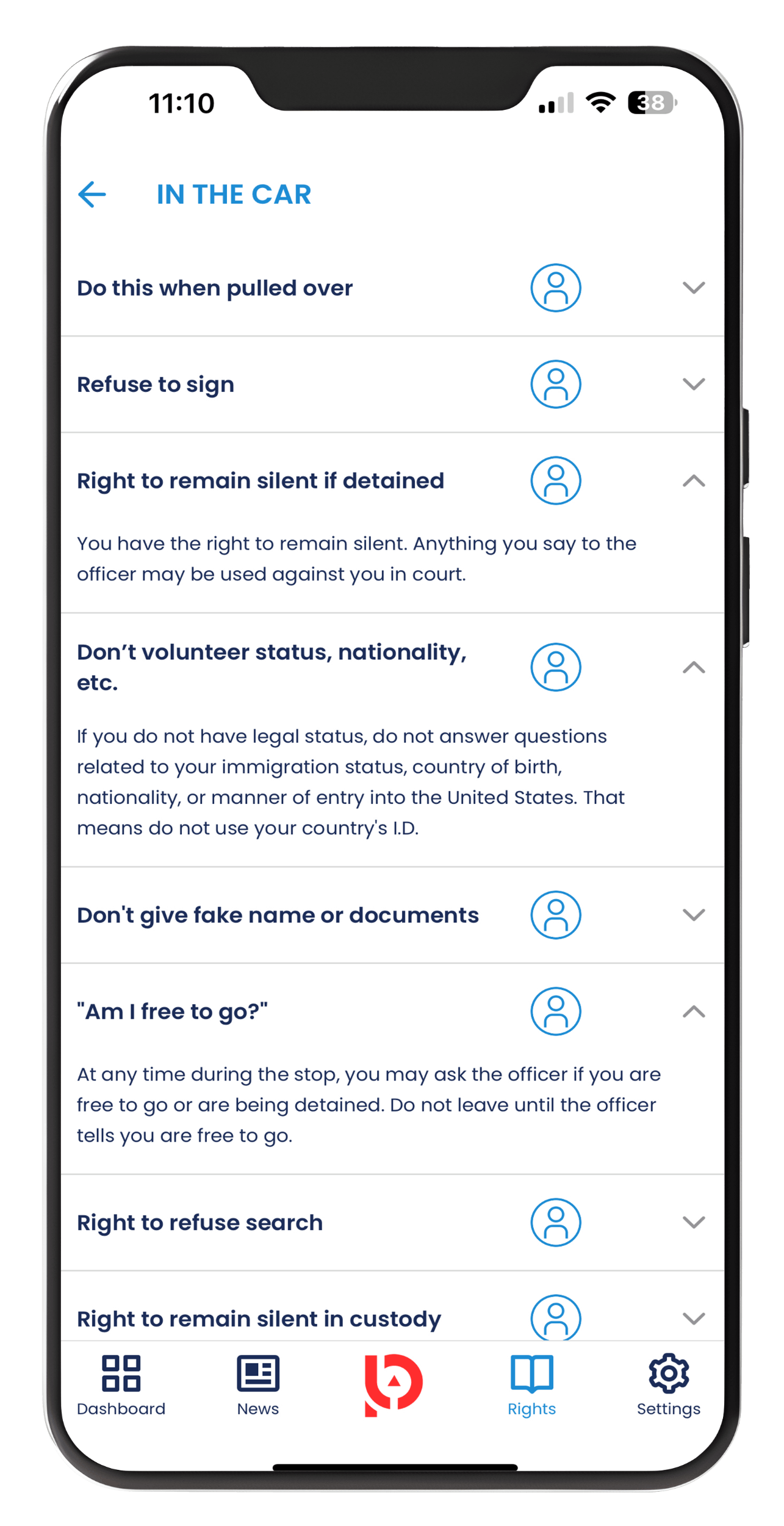

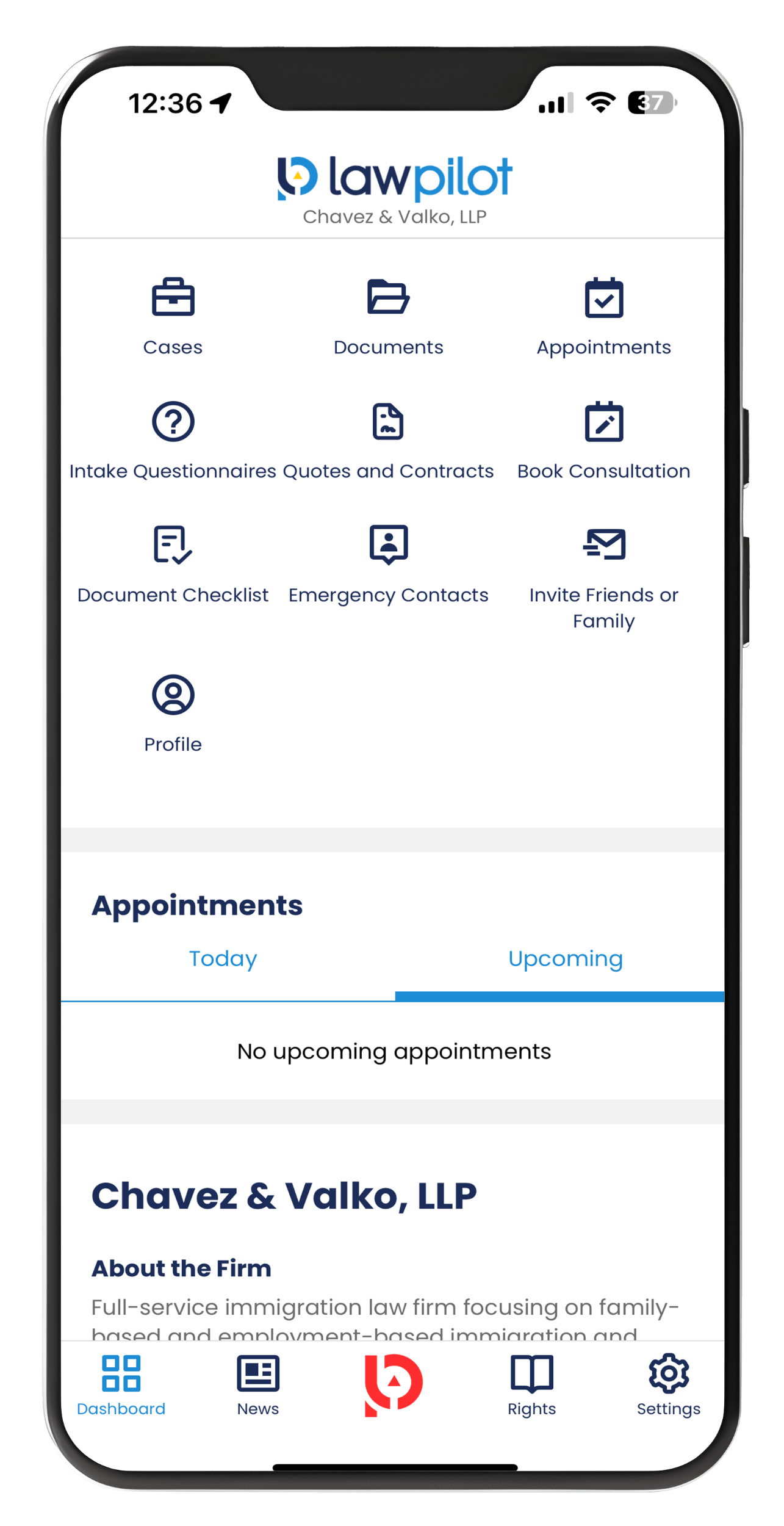
Lawpilot Guardian is free to download and includes essential emergency guidance. Optional paid plans unlock additional legal protection, attorney response, and advanced support for those who want extra peace of mind.