Immigration Enforcement Update
September 10, 2025
Supreme Court allows Southern California immigration raids to continue while lawsuit moves forward

A federal judge ruled that officers involved in the Minneapolis-area immigration operation cannot detain or use tear gas on peaceful observers and protesters who are not obstructing authorities, reinforcing constitutional protections while the larger crackdown continues.

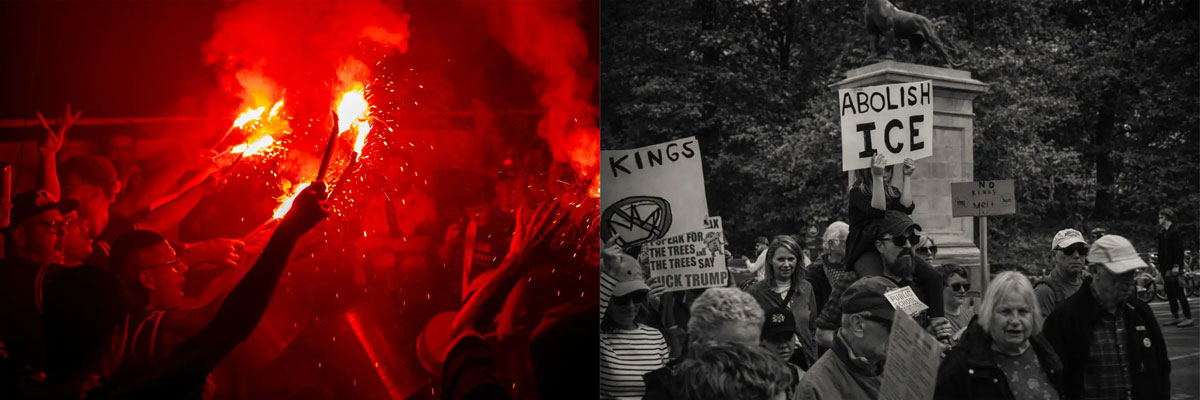
A U.S. District Judge in Minnesota issued a ruling that limits how federal officers can treat peaceful protesters and observers during what AP describes as the largest recent immigration enforcement operation in the Minneapolis St. Paul area. The judge said officers involved in the operation cannot detain or use tear gas on peaceful protesters who are not obstructing authorities including people who are simply observing the agents’ activities.
The ruling stems from a lawsuit filed in December on behalf of six Minnesota activists. According to AP, these activists are among thousands who have been monitoring the actions of Immigration and Customs Enforcement (ICE) and Border Patrol officers as the enforcement surge intensified in the Twin Cities. The case argues that officers violated the constitutional rights of residents during confrontations tied to the enforcement crackdown.
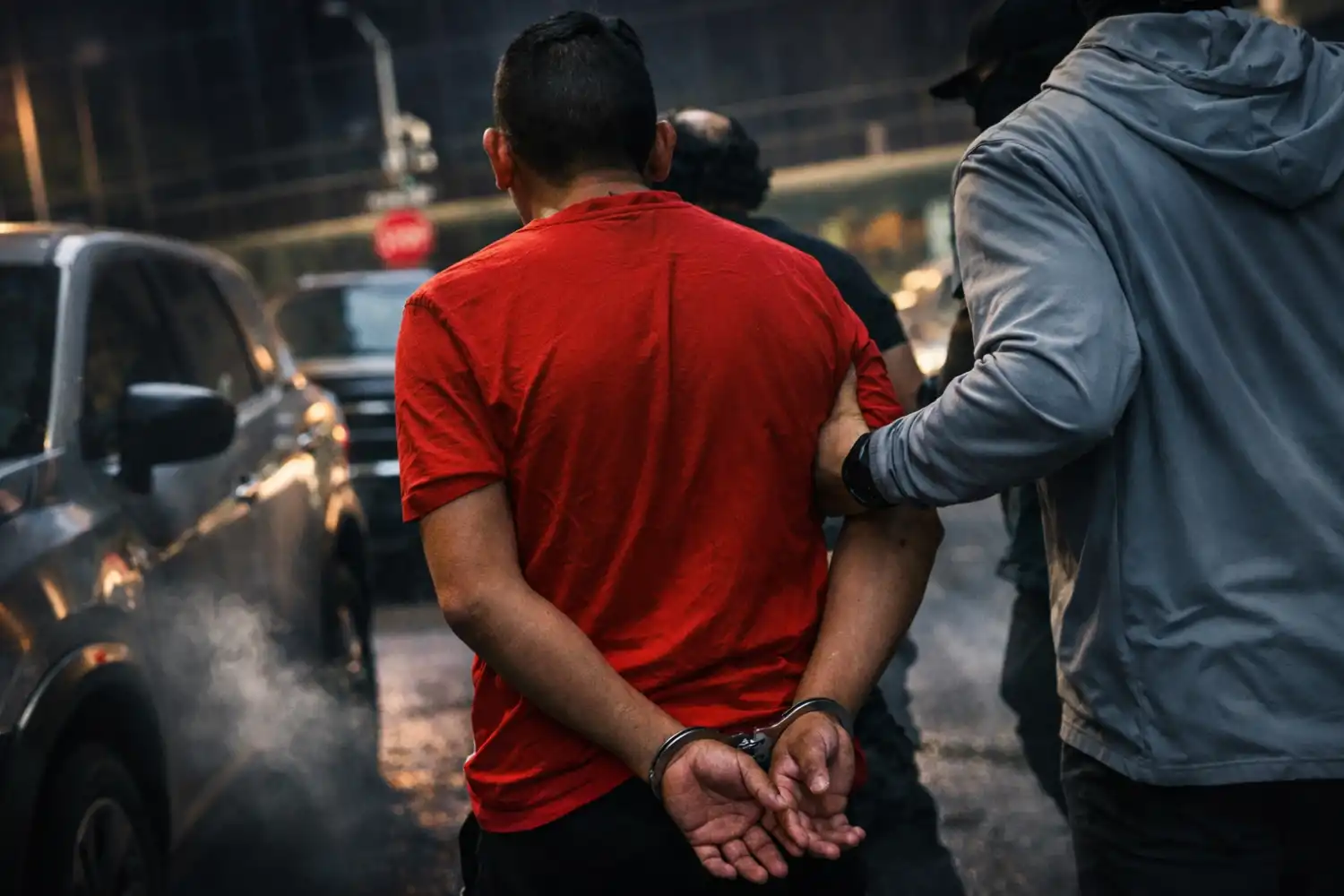
AP reports that tensions escalated after a federal immigration agent fatally shot Renée Good on Jan. 7 in Minneapolis, an incident that AP says was captured on video. Since then, agents have repeatedly clashed with demonstrators and have arrested or briefly detained many people in the area.
After the ruling, a DHS spokesperson defended the federal response, saying the agency was taking what it called “appropriate and constitutional measures” to protect officers and the public, while also warning that obstructing law enforcement is a federal crime and assaulting law enforcement is a felony.
“Safely following agents at an appropriate distance does not, by itself, create reasonable suspicion to justify a vehicle stop.”
Key Facts:
Why it matters?
This ruling is significant because it draws a clear legal boundary between peaceful observation/protest and actual obstruction. In enforcement-heavy moments, the difference matters: watching, filming, or following from a safe distance is not automatically illegal, and courts can step in when constitutional protections are at risk. If you attend or witness an immigration enforcement-related protest, the practical takeaway is to focus on non-interference: keep distance, avoid blocking movement, and avoid escalating interactions. The court’s language centers on whether someone is actually obstructing or whether there’s reasonable suspicion of that.
If you’re looking at this story from an immigrant-family perspective, the broader environment described in the article is high-intensity. It’s smart to rely on verified updates and seek qualified legal help for immigration questions, because enforcement conditions can shift quickly. A federal judge ruled that during the Minneapolis-area immigration operation, federal officers can’t treat peaceful observers like criminals, no detentions or tear gas without a valid basis, and no vehicle stops or arrests without the required legal standards. The decision doesn’t stop the operation, but it reinforces that enforcement still has constitutional limits.
Disclaimer: This is general information, not legal advice. Every situation is different. If you need legal guidance, talk to a qualified attorney.
Lawpilot Guardian gives you a free way to stay informed, prepared, and connected, with optional upgrade features that provide deeper legal support and added protection during critical moments.
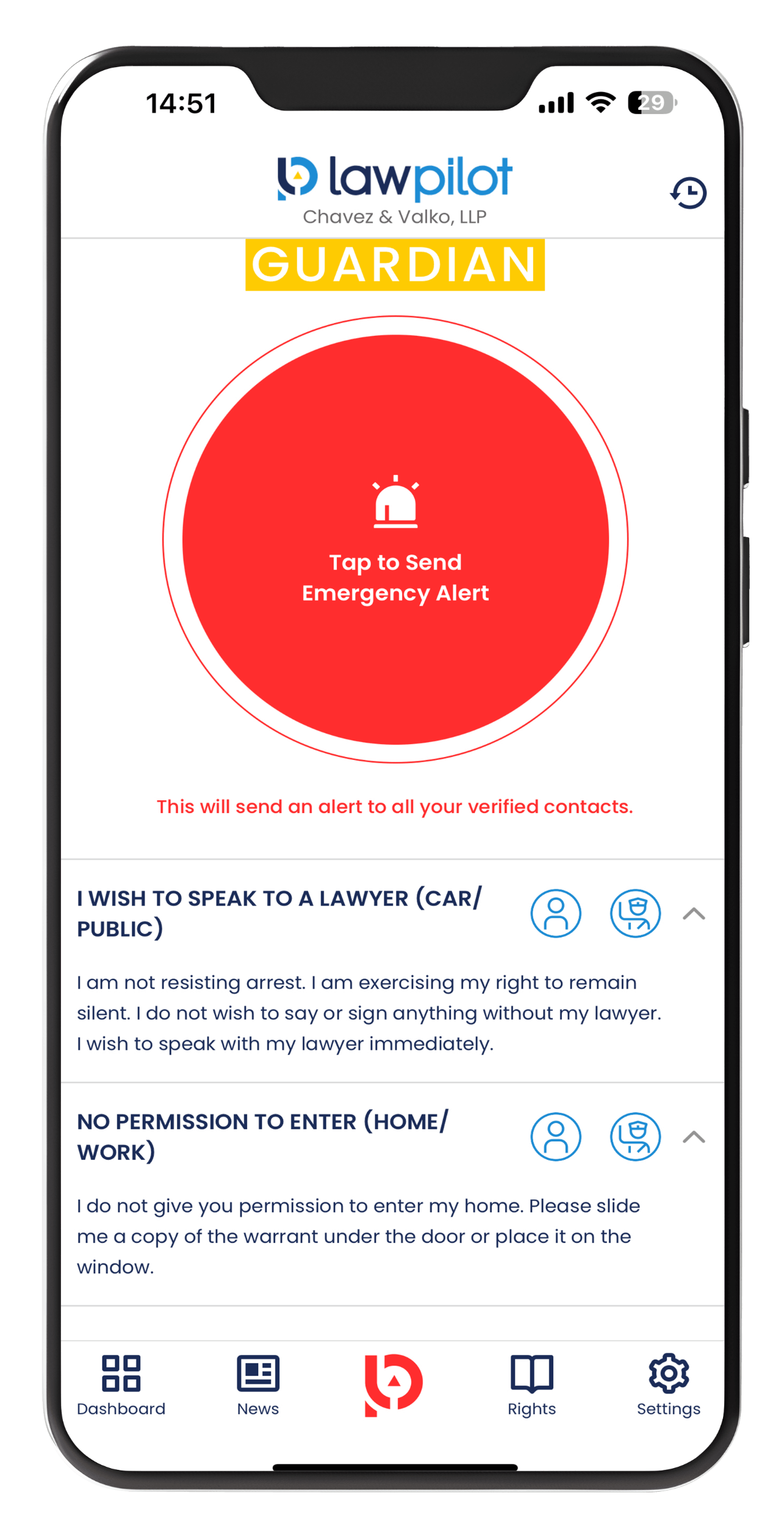
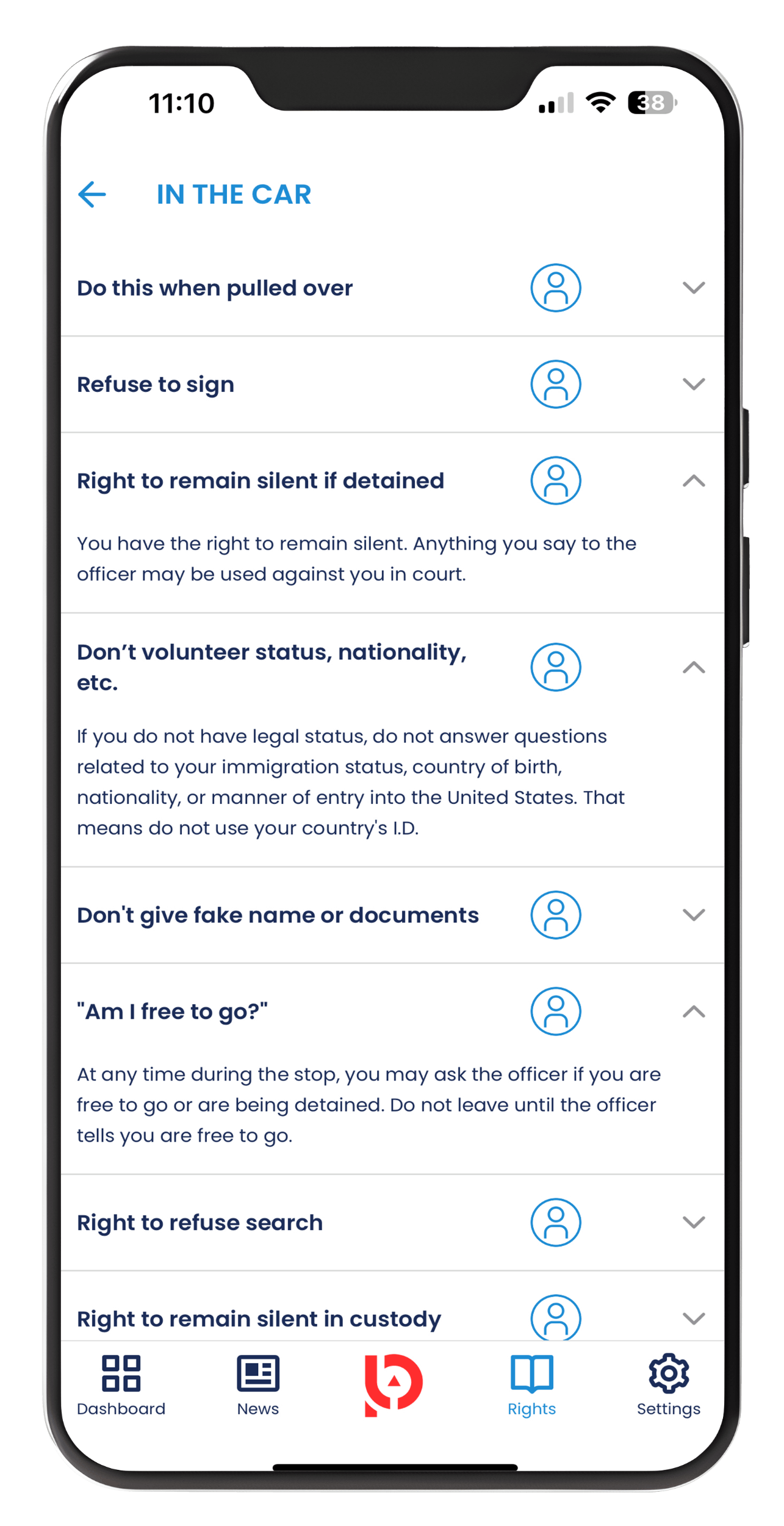


Lawpilot Guardian is free to download and includes essential emergency guidance. Optional paid plans unlock additional legal protection, attorney response, and advanced support for those who want extra peace of mind.